
Other measuring and testing equipment

- ESD protection
- Solder and solder agents
- Factory equipment
- Personal protective equipment (PPE)
- PCB processing and handling
- Component processing
- Component storage
- SALE
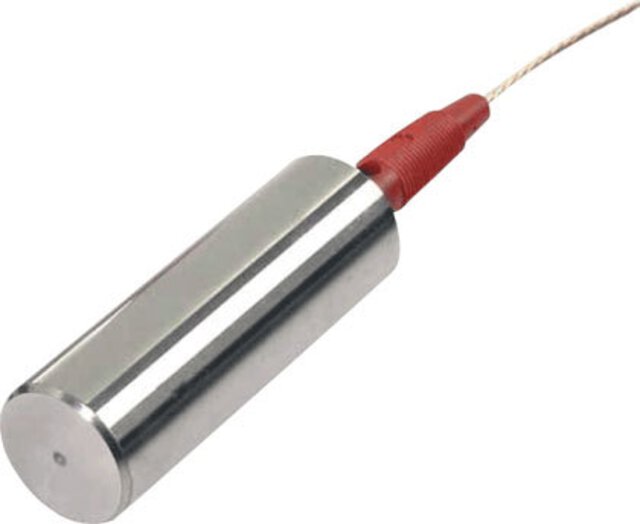

Stainless steel hand electrode, model 45
Why are different test devices needed in EPA areas?
Different materials and protective measures require different test methods. Depending on the application, resistances, voltages or personal earthing are checked.
What role does testing technology play in quality assurance?
Regular measurements and tests support standardised working conditions and help to prevent damage caused by electrostatic discharge in sensitive production processes.
What is a hand electrode used for in ESD measurements?
Stainless steel hand electrodes are used in resistance and personal earthing measurements to create defined contact conditions between the measuring device and the person. They are typically used for tests in accordance with DIN EN 61340-5-1 and support reproducible measurement results when checking wrist straps or personal conductors.
Why is stainless steel used for hand electrodes?
Stainless steel offers stable electrical properties, high corrosion resistance and good mechanical strength in daily testing. At the same time, the surface enables uniform contact conditions for recurring ESD measurements.