
ESD shoes

- ESD protection
- Solder and solder agents
- Factory equipment
- Personal protective equipment (PPE)
- PCB processing and handling
- Component processing
- Component storage
- SALE
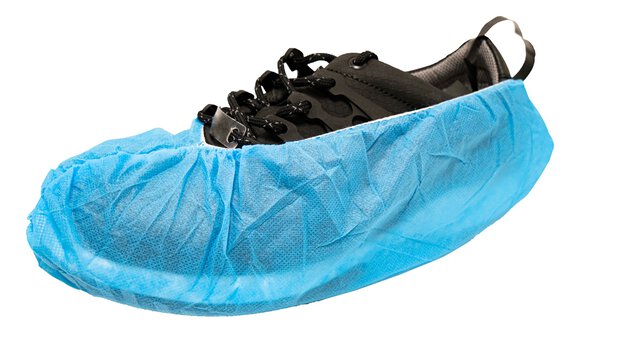

ESD disposable overshoes, non-woven, blue, for shoe size 35-44
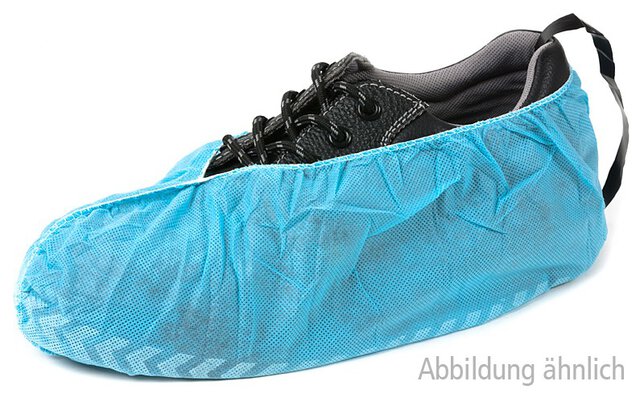
ESD disposable overshoes, blue, 50 pieces
Why are ESD shoes required in EPA areas?
When walking, friction generates electrostatic charges that can damage sensitive electronic components. ESD shoes dissipate these voltages via the floor in a controlled manner and are a component of personal earthing in EPA zones. The interaction between footwear, floor covering and earthing concept is crucial.
What are the differences between ESD and antistatic shoes?
Antistatic shoes reduce electrostatic charge to protect people in potentially explosive areas. ESD shoes also have defined discharge values to protect electronic components. ESD shoes in accordance with DIN EN 61340-5-1 are therefore used for electronics production and EPA workplaces.
When are ESD safety shoes needed?
ESD safety shoes are used when both personal protection and ESD protection are required. Typical areas of application are electronics manufacturing, mechanical engineering and industrial assembly areas. In addition to conductive soles, they have additional protective functions such as protective toe caps or puncture-resistant soles.
Why do ESD shoes need to be inspected regularly?
Wear, dirt or damaged soles can impair the electrical conductivity. This is why ESD shoes are regularly tested with personal earthing testers. Only stable resistance values guarantee the safe dissipation of electrostatic charges within the EPA zone.