
ESD tables and accessories

- ESD protection
- Solder and solder agents
- Factory equipment
- Personal protective equipment (PPE)
- PCB processing and handling
- Component processing
- Component storage
- SALE
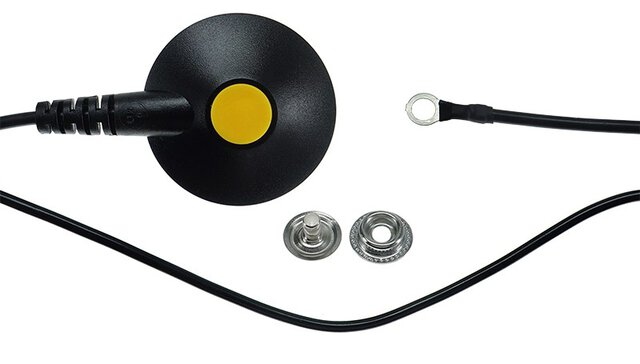

ESD earthing cable, 10 mm push button/eyelet, black
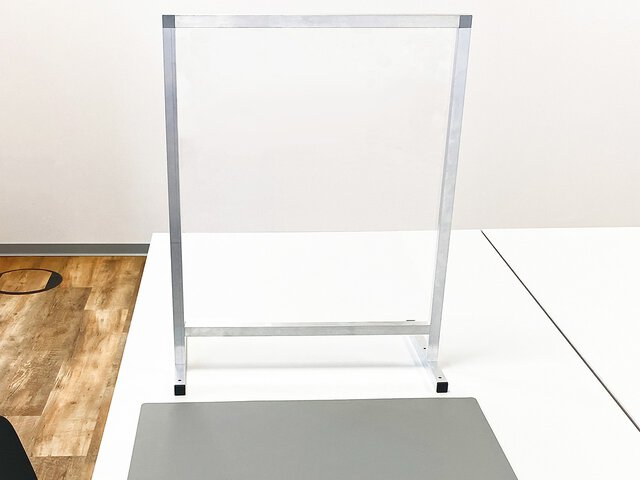
ESD partition wall, size S, dissipative polycarbonate screen, 750 x 750 mm
What requirements apply to ESD work tables?
ESD workbenches must dissipate electrostatic charges in a controlled manner and guarantee permanently stable resistance values. Work surfaces, earthing points and accessories must be designed to be electrically compatible. The basis for construction and testing is DIN EN 61340-5-1.
Why are ESD tables used in electronics production?
ESD tables protect sensitive electronic assemblies from electrostatic discharge during assembly, testing or repair. They create a defined dissipative working environment and are typically used in SMT production, rework and test bays.
What role does earthing play in ESD workbenches?
Earthing connects the work surface, personnel earthing and accessories to a common potential point. This reduces voltage differences and dissipates electrostatic charges in a controlled manner. Without a correct earthing system, the ESD workstation loses its protective function.
What accessories are used at ESD workstations?
Typical accessories include table mats, earthing cables, partition walls, mounting portals, tool holders, storage systems and lighting. All components must be designed to be dissipative so that no insulating materials are used within the EPA zone.