
ESD protection

- ESD protection
- Solder and solder agents
- Factory equipment
- Personal protective equipment (PPE)
- PCB processing and handling
- Component processing
- Component storage
- SALE
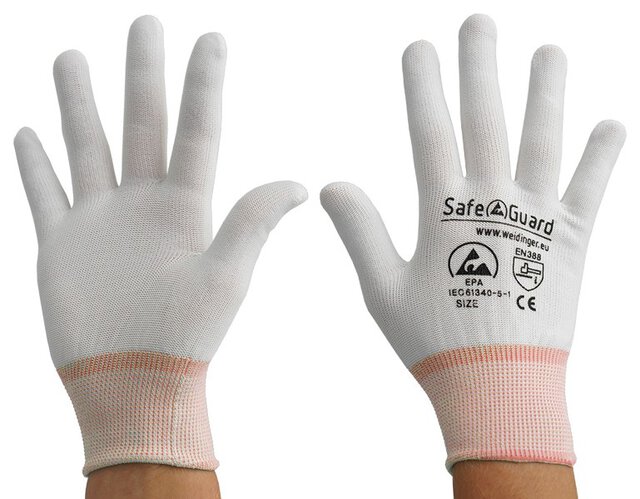

ESD glove white, without coating
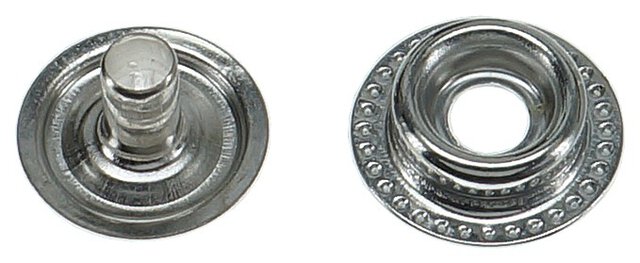
Push-button, Ø 10 mm, complete set
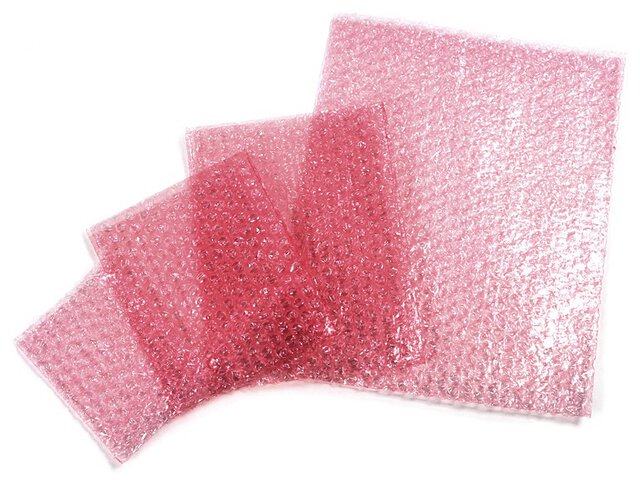
ESD bubble bag, pink, dissipative, various versions
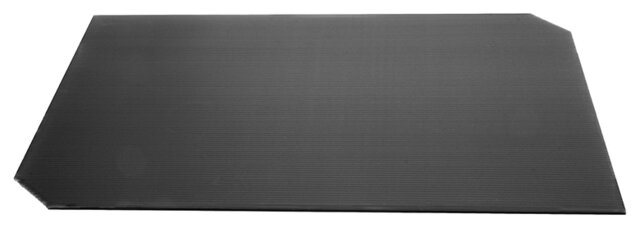
ESD intermediate layers for Euro containers 400 x 300 mm, volume conductive, 3 mm, various versions
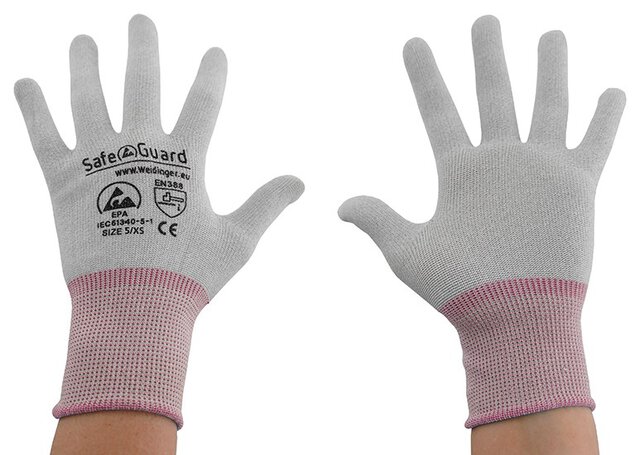
ESD glove grey, without coating, Nylon/Carbon
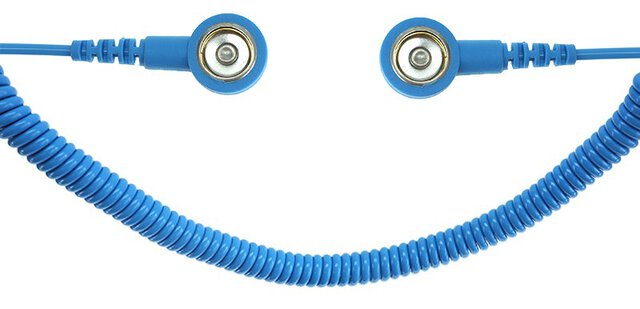
ESD spiral cable, 1 MOhm, blue, 2.4 m, 10/10 mm push button
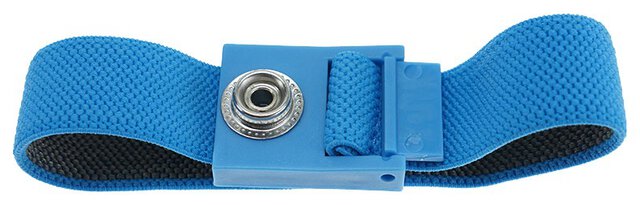
ESD wrist strap, 10 mm press stud, light blue, 220 mm
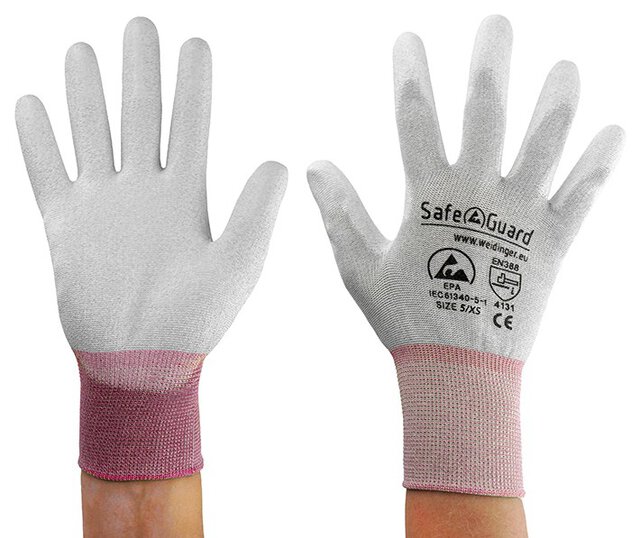
ESD glove grey, coated palms, nylon/carbon
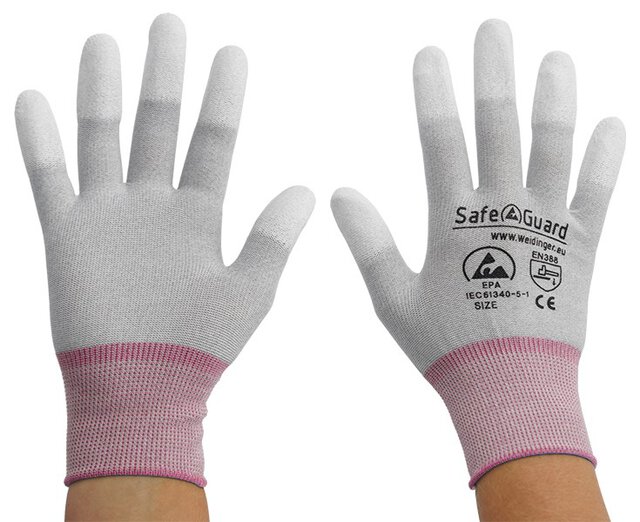
ESD glove grey, coated fingertips, nylon/carbon
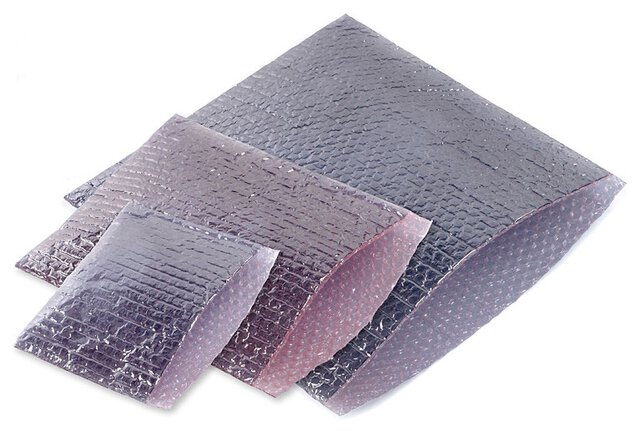
ESD bubble bag with flap, pink, shielding, various versions
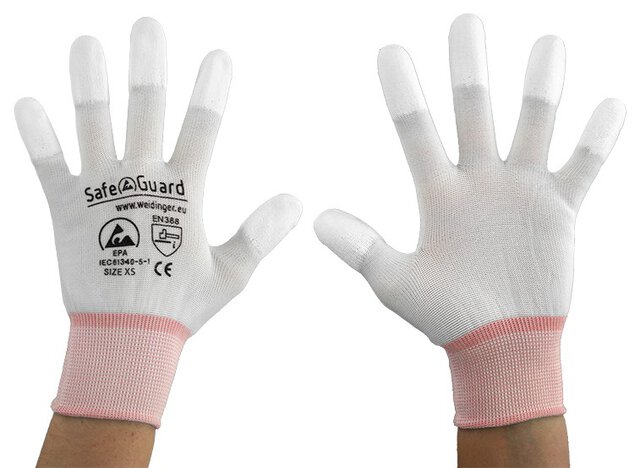
ESD glove white, coated fingertips
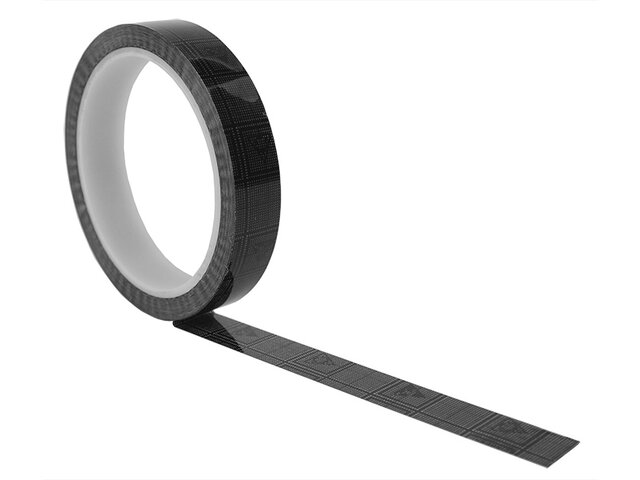
ESD grid adhesive tape with ESD warning symbol, bronze, 36 m, various versions
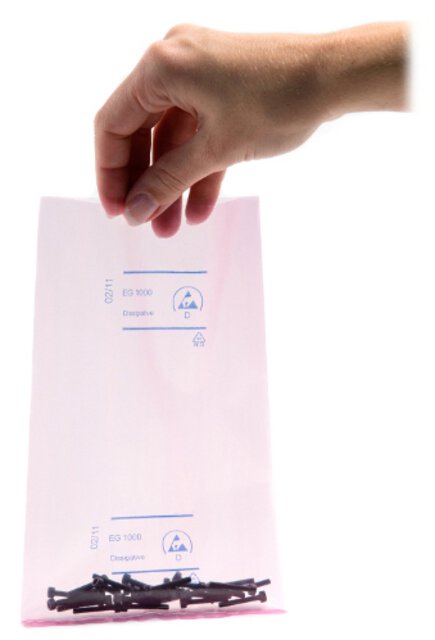
ESD bag, pink, 90 µm, 150 x 700 mm
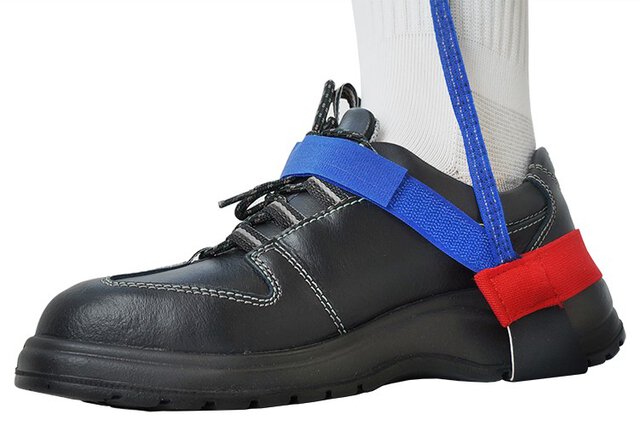
ESD heel strap with Velcro fastener, 1 MOhm, blue/red
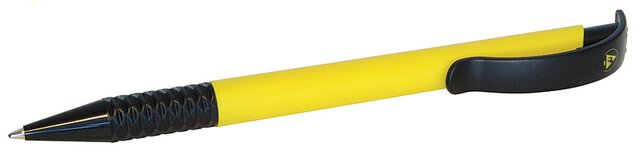
ESD ballpoint pen with blue refill, yellow/black
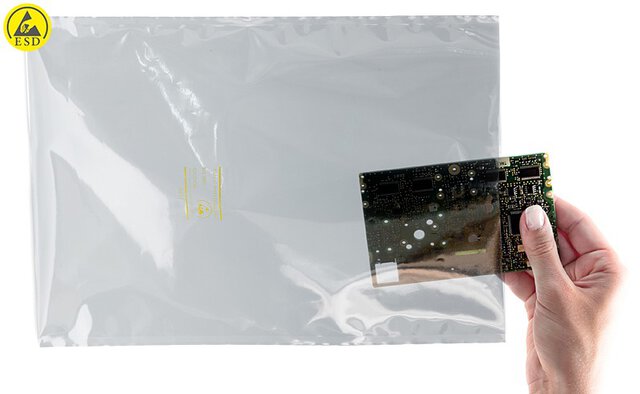
ESD shielding bag 172 x 203 mm
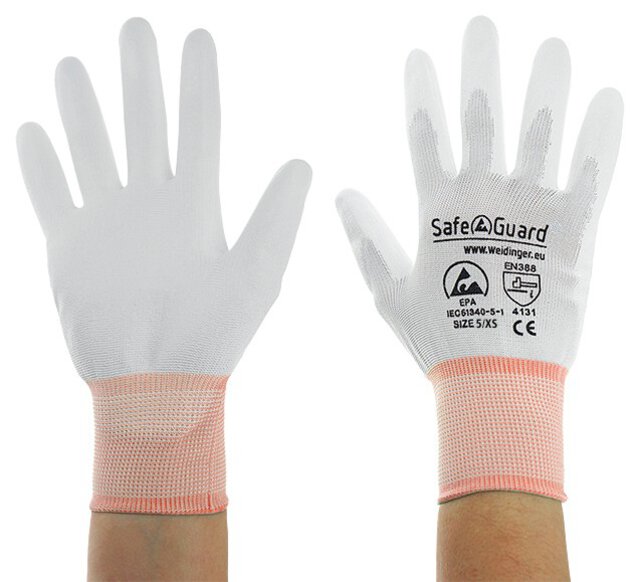
ESD glove, white, coated palms, nylon
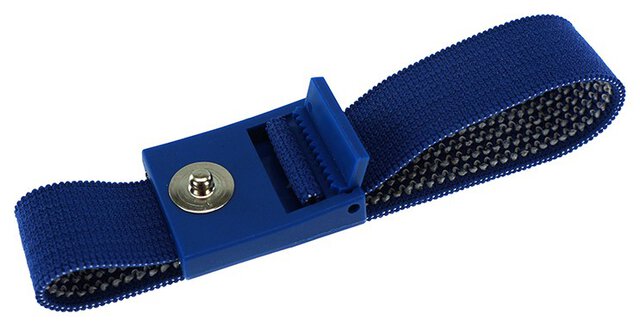
ESD wrist strap, 3 mm press stud, toothed fastener, dark blue, 220 mm
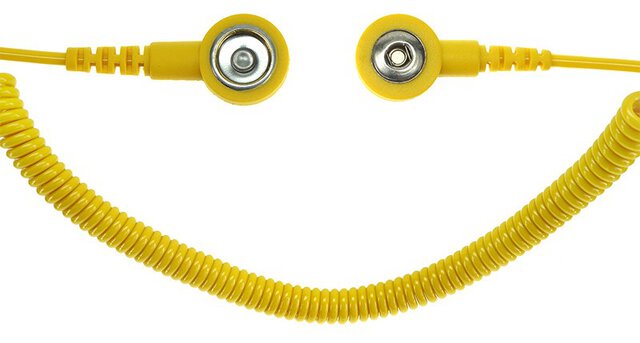
ESD spiral cable, 2 MOhm, yellow, 3/10 mm push button, various versions

ESD wrist strap, 10 mm press stud, toothed clasp, light blue, 220 mm
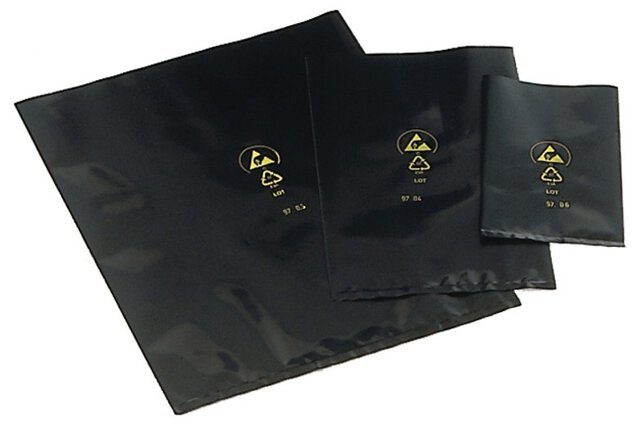
ESD bag, black, 152 x 254 mm
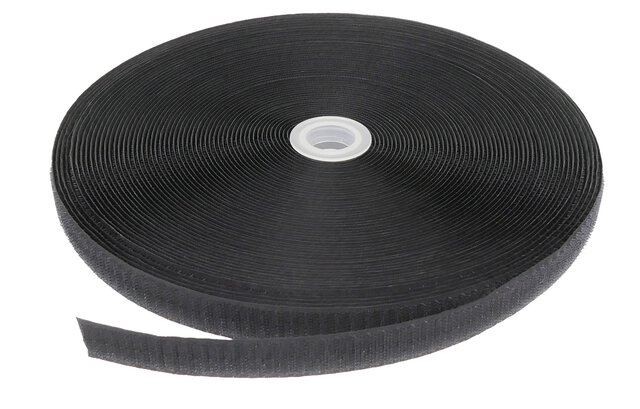
ESD hook and loop tape with hook, black, 20 mm
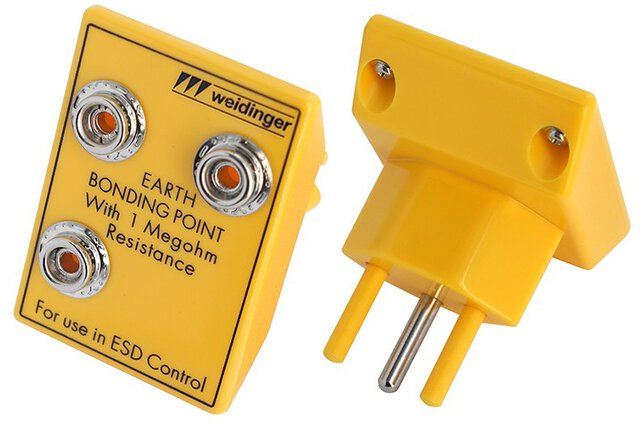
ESD earthing plug for CH socket outlet, 3x 10 mm push-button, square, yellow
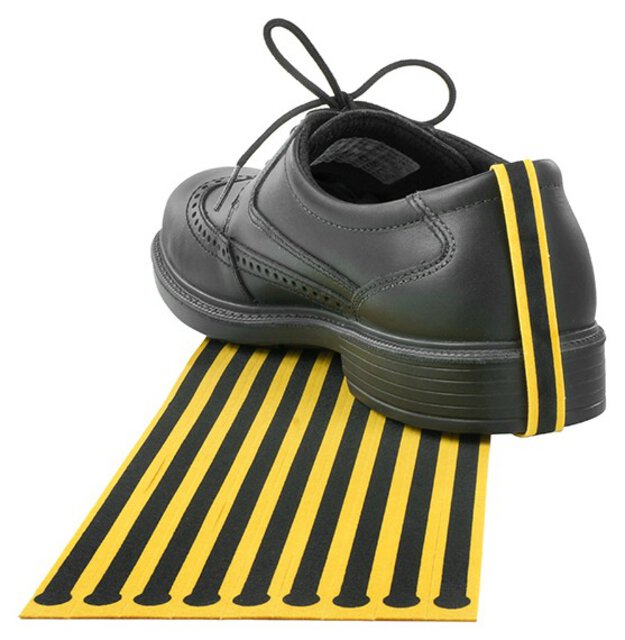
ESD disposable heel tape, self-adhesive, 30 cm, 100 pieces
Which standard applies to ESD protection in EPA areas?
DIN EN 61340-5-1 applies to electrostatically protected areas. The standard defines requirements for personal earthing, work surfaces, packaging, floor coverings and test methods. The aim is the controlled dissipation of electrostatic charges to protect sensitive electronic assemblies. In electronics production, regular ESD tests and documentation are also required.
What are the differences between conductive and dissipative ESD materials?
Conductive materials have very low resistances and dissipate electrical charges quickly. Dissipative materials reduce electrostatic voltages in a controlled and slower manner. Dissipative surfaces are usually used for ESD workstations as they protect components from sudden discharges. Typical resistance ranges are between 10⁵ and 10¹¹ ohms, depending on the application and standard specifications.
How is an ESD workstation correctly earthed?
An EPA workstation is set up via earthing points with a defined leakage resistance. Typical components are table mats, earthing cables, wrist straps and dissipative floor coverings. All elements must be electrically connected to each other so that people and work surfaces are at the same potential. Earthing is usually carried out via a central earthing point in accordance with IEC 61340-5-1.
When are ESD clothing and ESD shoes required?
ESD clothing and shoes are used when people's movements can cause electrostatic charges. This applies in particular to electronics production, SMT lines, test bays and cleanroom areas. ESD shoes establish contact with the dissipative floor, while ESD clothing reduces charge build-up on textiles. Typical materials contain conductive carbon fibres.
Which products are part of a complete ESD protection kit?
Complete ESD equipment includes table and floor mats, earthing accessories, wrist straps, ESD clothing, shoes, storage containers and ESD packaging. In addition, measuring devices are used to test personal and workplace earthing. The selection depends on the structure of the EPA zone, the components used and the requirements of the respective production environment.