
ESD floor

- ESD protection
- Solder and solder agents
- Factory equipment
- Personal protective equipment (PPE)
- PCB processing and handling
- Component processing
- Component storage
- SALE


ESD floor covering, light gray, 1900 x 2.5 mm, 10 m
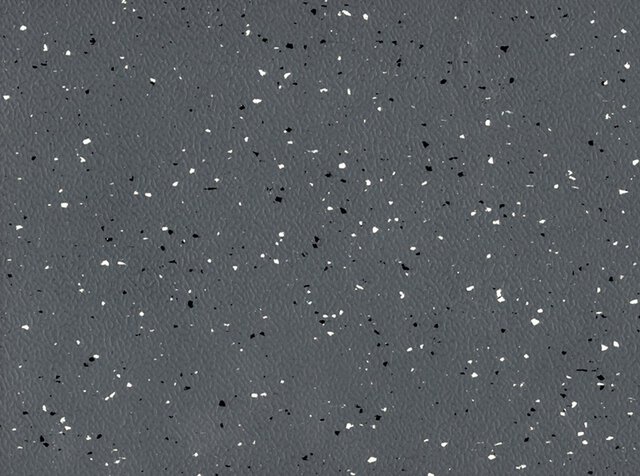
ESD floor covering, gray, 1220 x 3.5 mm, 10 m
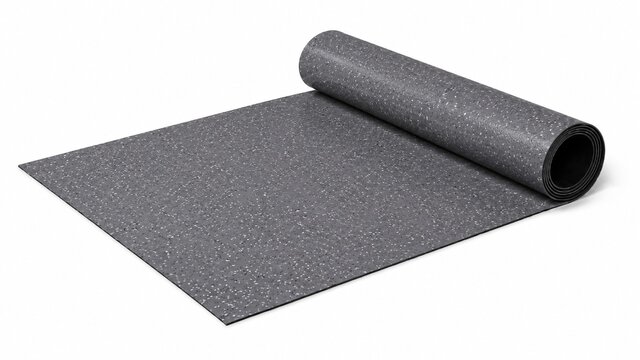
ESD floor covering "SafeGrip Flame", roll material, dark gray, 3.5 mm thick, 1200 mm x 10 m
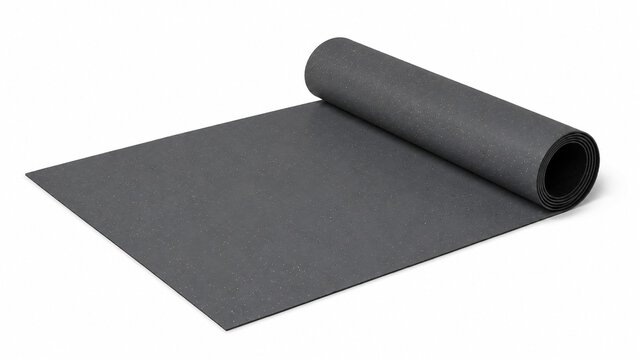
ESD floor covering "SafeGrip", roll material, dark gray, 3.5 mm thick, 1500 mm x 10 m
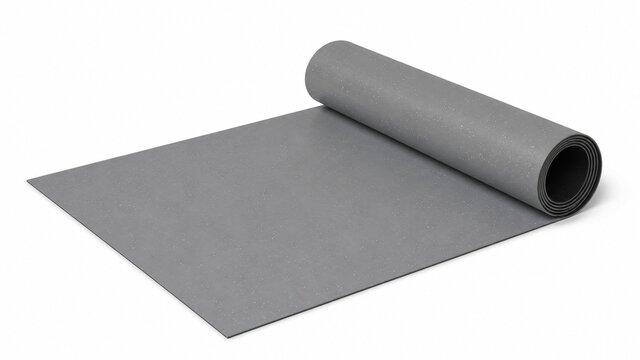
ESD floor covering "SafeGrip", roll material, gray, 2.5 mm, 1500 mm x 10 m
Why are ESD floor coverings used?
ESD flooring reduces electrostatic charges caused by the movement of people within EPA areas. It enables the controlled dissipation of electrostatic voltages via ESD shoes and earthing systems.
What are the differences between conductive and dissipative floor coverings?
Conductive floor coverings dissipate voltages very quickly and have low resistance values. Dissipative materials reduce charges in a more controlled manner and are often used in electronics production and assembly areas.
What requirements apply to ESD flooring?
ESD floor coverings must have permanently stable dissipation values and fulfil the requirements of DIN EN 61340-5-1. Resilience, cleanability and compatibility with personal earthing systems also play an important role.
Why is the combination of ESD flooring and ESD footwear important?
The controlled dissipation of electrostatic charges only works in combination with flooring and suitable footwear. This is the only way to create a complete personal earthing system within the EPA zone.