
For axial components

- ESD protection
- Solder and solder agents
- Factory equipment
- Personal protective equipment (PPE)
- PCB processing and handling
- Component processing
- Component storage
- SALE
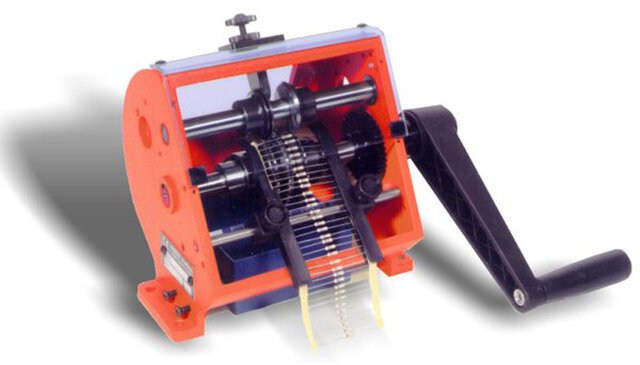
SUPERFORM/V-C cutting and bending machine for axial components, P = 3.8 mm
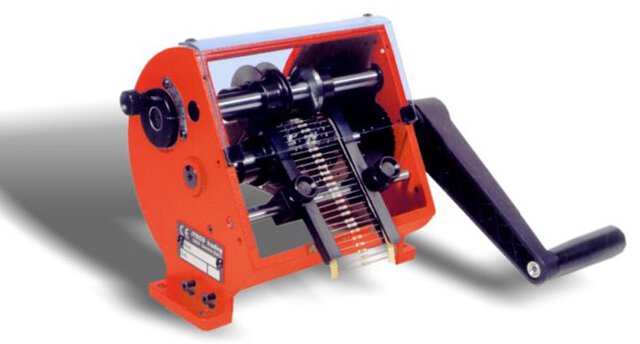
Superform/A bending/cutting device for axial components, Ø 0.4 - 1.3 mm
Axial and radial belt guide for County EVO
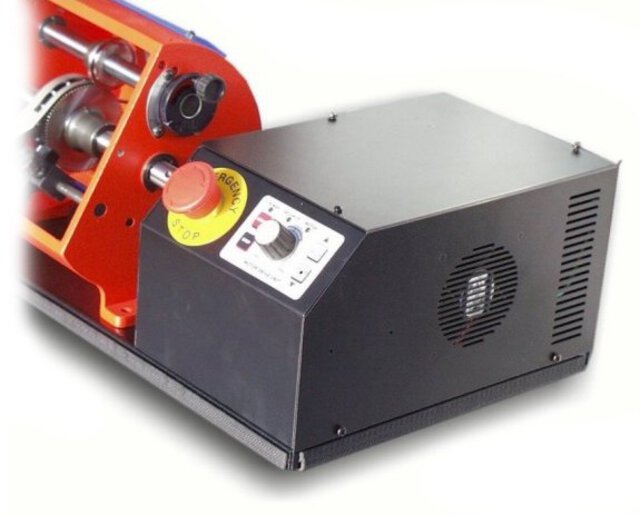
Motor drive for SUPERFORM/A-AP-S-V-R-RCP, 230V
Forming tool for SUPERFORM-AF, inner bead 3 mm
SUPERFORM/V-B cutting and bending machine for axial components, P = 2.54 mm
Roll holder BR6 for Superform-R cutting machine
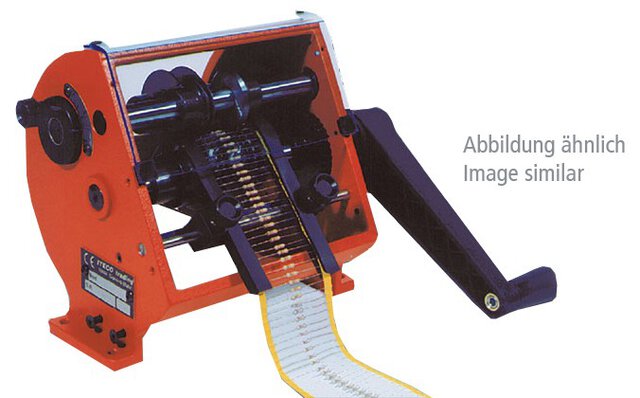
SUPERFORM/V-B cutting and bending machine for axial components, P = 5.08 mm
SUPERFORM/V-B cutting and bending machine for axial components, P = 3.8 mm
Forming tool Lock-In for SUPERFORM-AF
SUPERFORM/V-B cutting and bending machine for axial components, P = 7.62 mm
SUPERFORM/V-LC cutting and bending machine for axial components, P = 2.54 mm
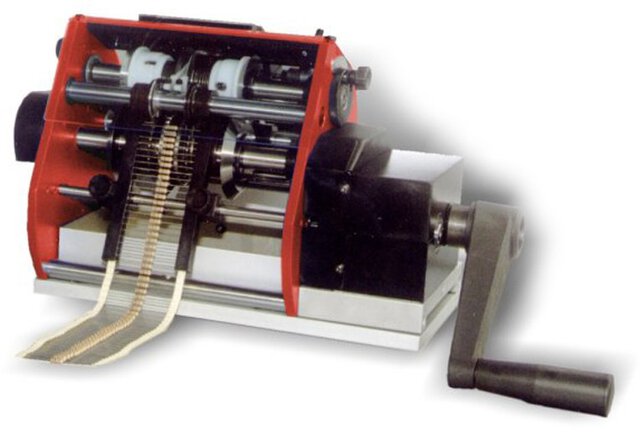
Superform/AF bending/cutting device for axial components, Ø 0.5 - 1 mm
Which components are considered axial?
Axial components have connecting wires at both ends of the component body. Typical examples are resistors, diodes or axial capacitors in THT design. The design enables horizontal mounting on printed circuit boards and is often used in industrial electronics, power electronics and repair technology.
Why are axial components processed before assembly?
Before THT assembly, connecting wires are often cut, bent or taped in order to achieve defined grid dimensions and reproducible installation heights. This improves positioning accuracy and process reliability in automated production processes.
What role do cutting and bending machines play in THT production?
Cutting and bending machines process connecting wires precisely to a defined length and geometry. This allows components to be reproducibly assembled and mechanical stresses on printed circuit boards to be reduced. Automated systems improve production quality, especially for large quantities.