
Factory equipment

- ESD protection
- Solder and solder agents
- Factory equipment
- Personal protective equipment (PPE)
- PCB processing and handling
- Component processing
- Component storage
- SALE
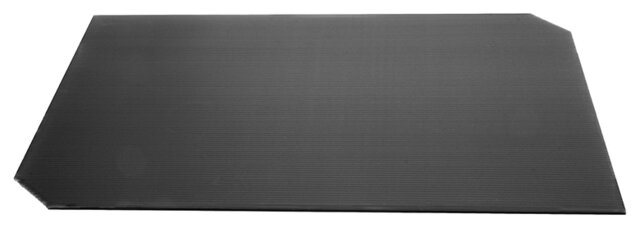

ESD intermediate layers for Euro containers 400 x 300 mm, volume conductive, 3 mm, various versions
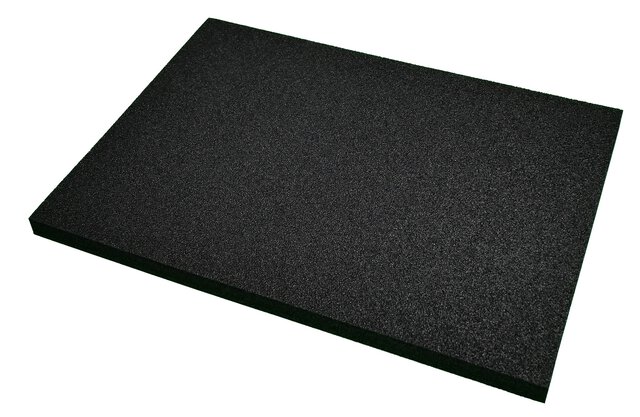
PU foam, hard, black, smooth, 353x253x15 mm
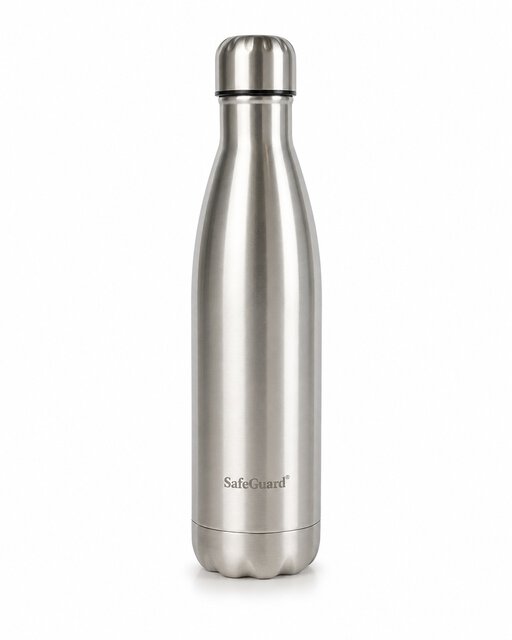
Stainless steel drinking bottle, suitable for EPA, 500 ml
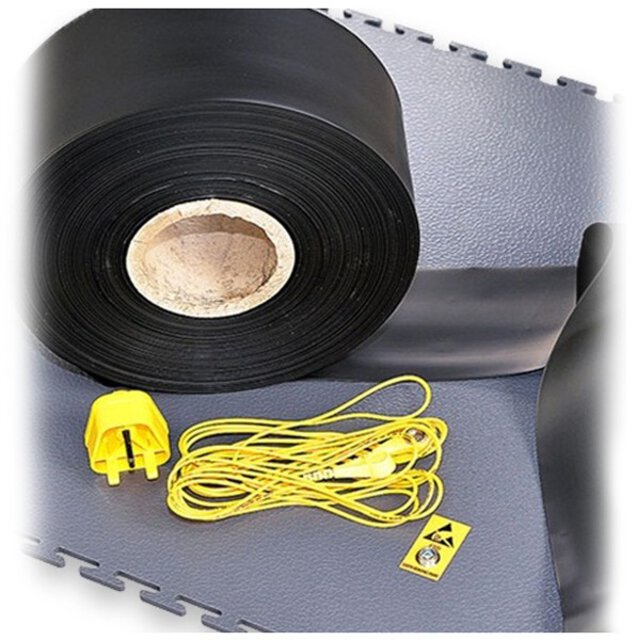
ESD grounding strap, black, 100 x 0.08 mm, various versions
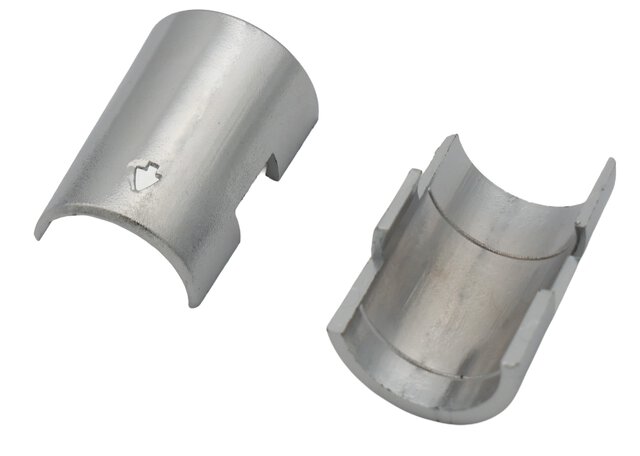
Fitting sleeves for steel shelving, plastic, chrome-plated
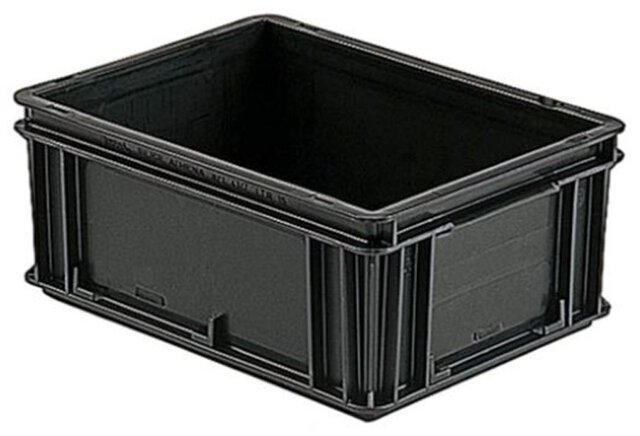
ESD container, polypropylene, dissipative, 400 x 300 x 75 mm
Protective case with conductive coating (outside only), unequipped
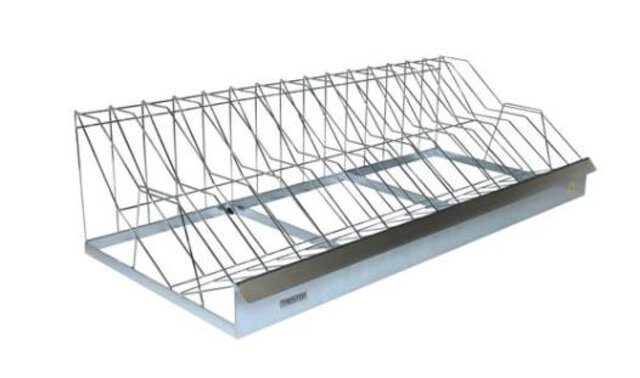
SMD roller support for Ø 180/330/380 mm, 960 x 426 x 254 mm
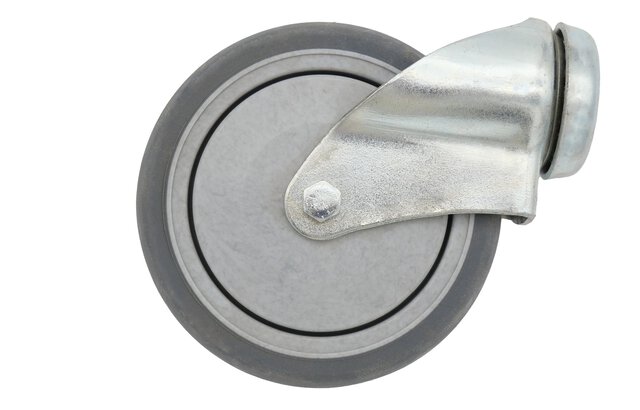
Apparatus swivel castor 100/25 mm, electrically conductive, approx. 85 Shore A, grey
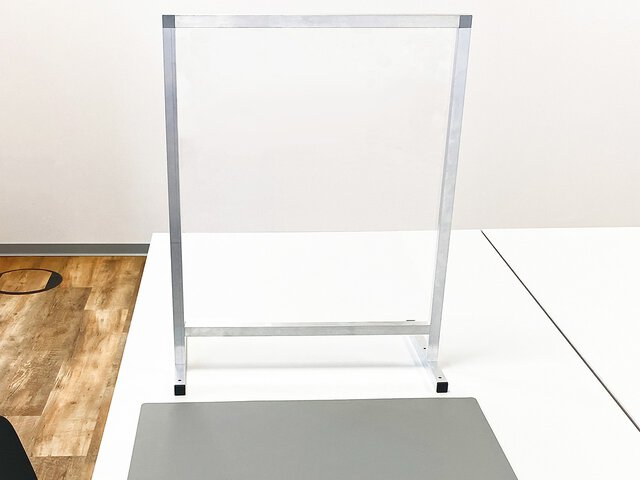
ESD partition wall, size S, dissipative polycarbonate screen, 750 x 750 mm

ESD floor covering, light gray, 1900 x 2.5 mm, 10 m
Wheels for mobile shelves, set = 4 wheels
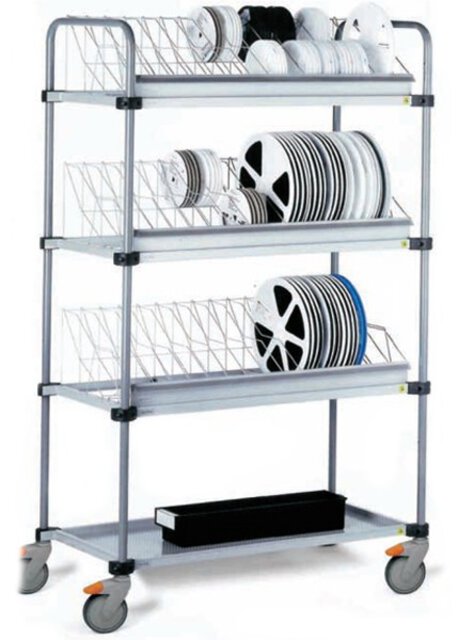
SMD transport trolley with 4 shelves and swivel castors, RAL 7035ESD powder-coated

ESD floor covering, gray, 1220 x 3.5 mm, 10 m
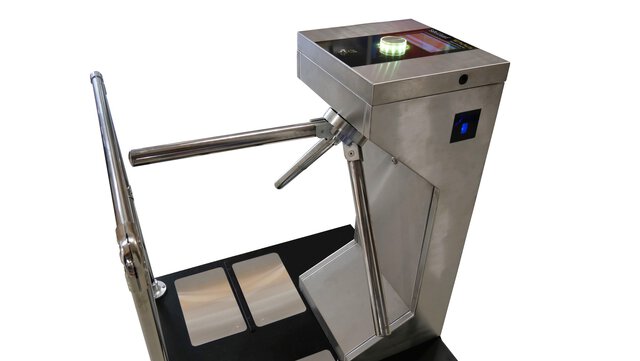
EPA RFID access control, turnstile right incl. SGT ProPlus
Fitting sleeves for steel shelving
Copper tape, self-adhesive, roll, 30 m
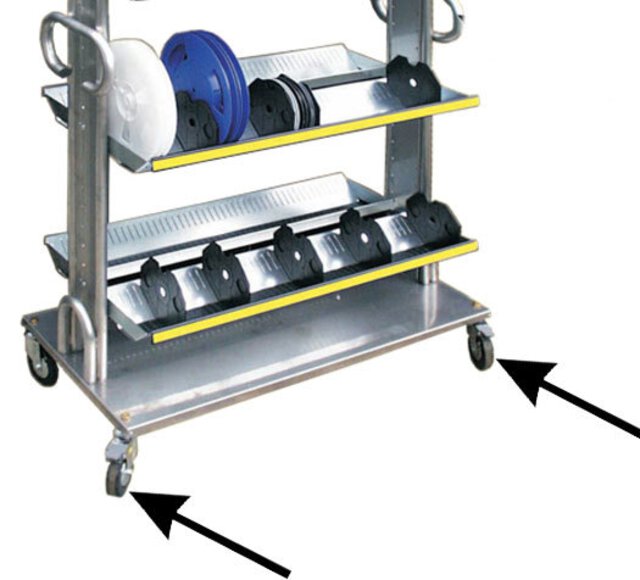
ESD castors with brakes for base plate, SMD Chariotte reel stand, Ø 125 mm
ESD castors for base plate, SMD coil stand Chariotte, Ø 125 mm
ESD separator, various versions
Protective case with conductive coating (only on the outside) and insert for SafeGuard measuring devices, unequipped
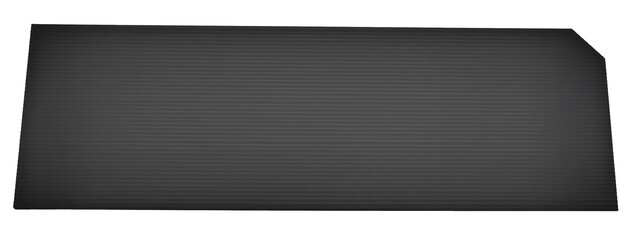
ESD layer pads for ESD Euro containers, volume conductive, 150 x 470 x 3 mm
EPA RFID access control, turnstile left incl. SGT ProPlus
What requirements apply to ESD-compliant factory equipment?
In EPA areas, workstations, shelving, trolleys and storage containers must be designed to be electrically dissipative. This is based on DIN EN 61340-5-1, which aims to dissipate electrostatic charges in a controlled manner via defined earthing paths. In electronics production and component assembly in particular, all workplace components must be designed to be electrically compatible.
What are the advantages of conductive storage and transport containers?
Conductive or dissipative containers protect electronic components from electrostatic discharge during storage and transport. At the same time, they reduce dust attraction and load build-up during handling. Euro containers, open-fronted storage boxes or trays with defined surface resistances are frequently used in electronics logistics.
What equipment is typically used in electronics manufacturing?
Typical equipment includes ESD work tables, shelving systems, transport trolleys, workplace lighting, chairs, storage containers and material trolleys. These systems are supplemented by earthing components and test equipment. The selection depends on the manufacturing process, component sensitivity and requirements for ergonomics and material flow within production.
When are ESD workbenches used?
ESD workbenches are used wherever sensitive electronic components are processed, tested or repaired. Typical applications include SMT production, service workstations, test bays and laboratory areas. The tables have dissipative work surfaces and can be extended with earthing points, add-on portals or ESD accessories.
What are the differences between ESD and standard industrial chairs?
ESD chairs have dissipative castors, cover materials and frames for the controlled dissipation of electrostatic charges. Conventional industrial chairs can generate high voltages due to friction and are unsuitable for EPA areas. In addition, ESD chairs must remain permanently conductive and be tested regularly.